Technology and Data
Build systems that are cheap to change
Architecture, custom software and cloud foundations designed around how your business runs, so the next requirement is an addition instead of a rewrite.

Architecture is a business decision
Every system reflects the decisions made when it was built. When those decisions were made one project at a time, you end up with duplicated systems, integrations nobody can trace, and a platform that gets harder to change every year. Nothing is broken, exactly. Everything is just slower and more expensive than it should be.
We design the whole picture: how applications, data and infrastructure fit together, where the boundaries between them belong, and which parts should be bought, built or retired. Then we help build it. For the standard parts of your business, buy. For the part that makes you good at what you do, custom software fits the work instead of forcing the work to fit the software.
Built to change
Most of what we build lives for a decade or more, so we design for the changes nobody has asked for yet. That means clear boundaries between components, shared patterns instead of one-off connections, and automated, repeatable deployments. On one long-running engagement, a reusable integration layer meant each new vendor connection took less time to build than the one before it, because the routing, security and monitoring already existed.
We work in the cloud your business already uses, including AWS and Azure, and we modernize legacy systems without taking them out of service while we do it.
How the work runs
1Assess what exists
We map the current systems, integrations and data flows, including the undocumented behavior the business depends on.
2Design the target
We define the target architecture: what to build, buy, keep and retire, and the boundaries between them.
3Sequence the path
We plan the migration in phases, so the business keeps running while the foundation changes underneath it.
4Build in increments
Senior engineers deliver working software in small, testable phases, with a demo as each one lands.
5Automate and hand off
We automate builds and deployments and document the system so your team, or another firm, can carry it.
What you leave with
A current-state assessment of systems, integrations and data flows
A target architecture with build, buy, keep and retire decisions
A phased modernization roadmap
Custom applications and integrations built to your process
Automated, repeatable build and deployment pipelines
Documentation and a maintainable codebase your team can own
Selected work
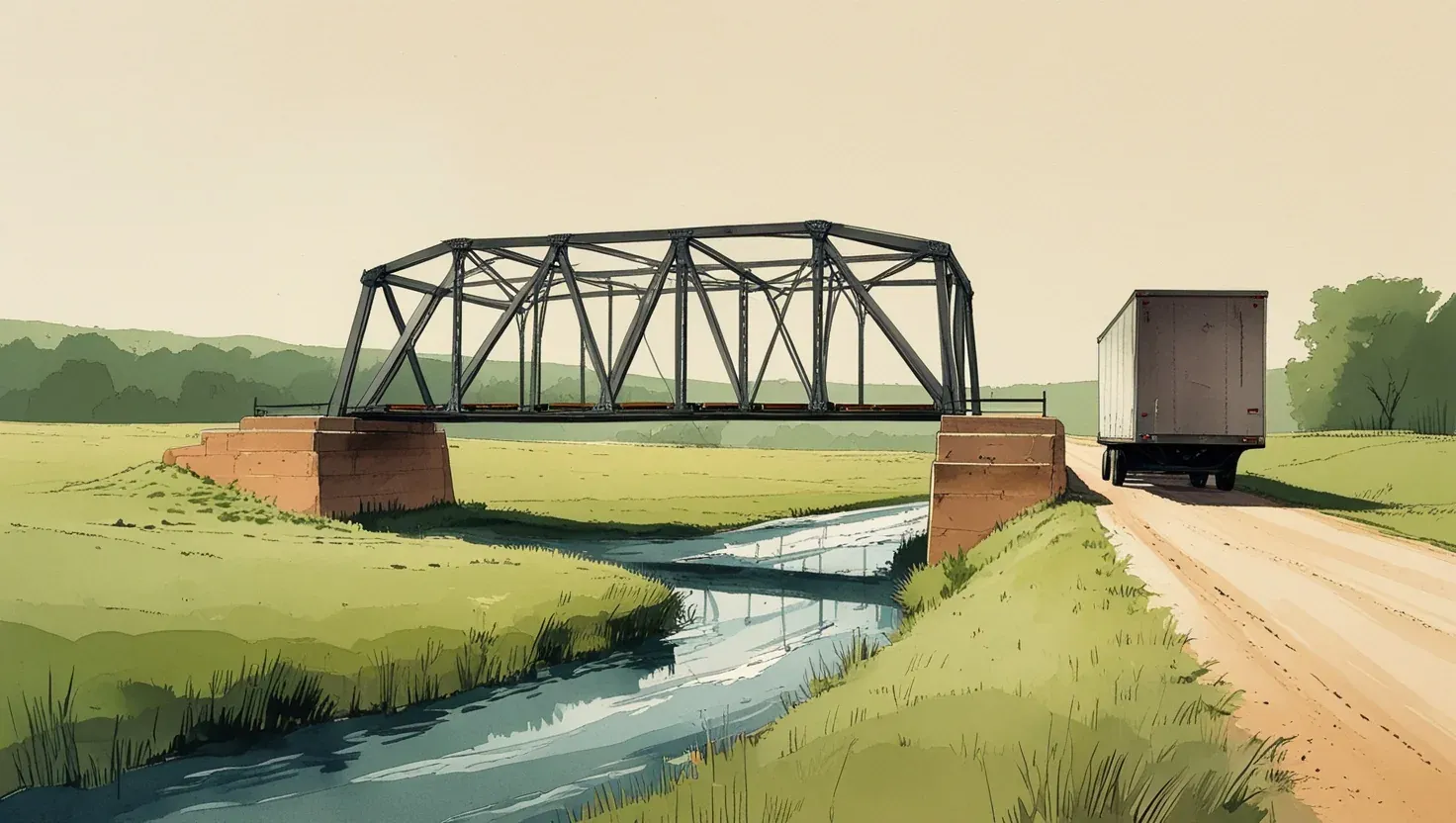
Automating Bridge Quotes at Premier Steel
How SEQTEK turned a manual, one-person quoting process into a cloud application that generates proposals in minutes.
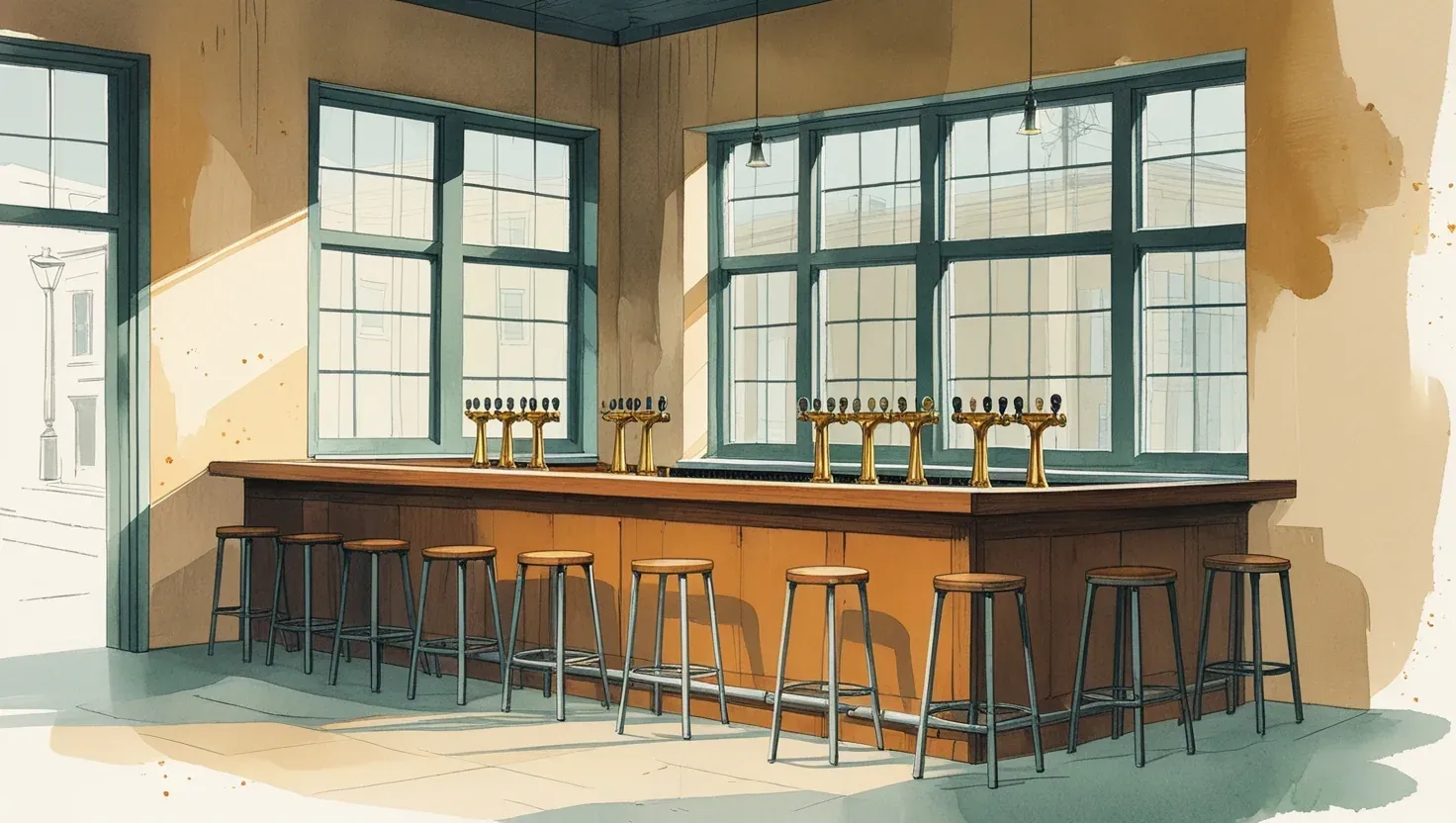
A Membership Platform for Craft Beverage Businesses
How SEQTEK became a Kansas City agency’s sole technology partner, modernized its platform, and took a new product from idea to paying customers.

Modernizing Flight Operations at OMNI Air
How SEQTEK replaced a legacy application to accelerate workflows and deliver real-time visibility.
Honest answers
Should we modernize what we have or rebuild it?
It depends on what the system does well and what it is costing you. Sometimes stabilizing and extending it is the right call. Sometimes a feature-for-feature replacement is cheaper over five years. We will tell you which fits, because the wrong call is expensive either way.
Do you take a system offline to modernize it?
No. We sequence the work so the existing system keeps running, and keeps selling if it is a product, while the modern one takes shape.
Can you work with our ERP and existing systems?
Yes, and that is often the whole job. We build the integration layer with a clear system of record and validation, so your systems agree with each other instead of leaving people to reconcile them by hand.
Will we be locked into SEQTEK to maintain it?
No. We write maintainable code, document it, and design it so your own people or another firm can carry it.
Plan a foundation you will not have to rebuild
Talk with one of our architects about what you have today and where the business is heading.