How We Work
Build it fast. Build it to last.
SEQTEK CADENCE is how we build software with AI. Our architects lead, the machine does the heavy lifting, and you get working software early that is sound enough to live with.

Two bad options
The market is selling two ways to build software with AI, and both fail.
Let the AI do it
Point a model at the problem, accept what it writes, and ship. It is fast, and it is brittle: the software works long enough to demo, then breaks in ways nobody can diagnose.
Specify everything first
Write an exhaustive specification and have the AI build to it. That brings back the bureaucracy Agile spent twenty years escaping, and you can still build the wrong thing perfectly. A flawless spec for the wrong solution is still the wrong solution.
35new vulnerabilities traced to AI-generated code in March 2026, more than all of 2025 combined
Researchers at Georgia Tech
Intelligence augmentation
AI is a reasoning engine, not a developer. It provides the speed. It does not provide the judgment, and judgment is the whole job: knowing which problem is the real one, which design will last, and when the work is actually done.
The idea is not new. In 1962, Douglas Engelbart argued for using computers to augment human intellect rather than replace it. Sixty years later that is finally buildable, and it is how we work. The expert leads, the machine does the work at speed, and you get quality and speed without having to choose between them.
CADENCE gives a name to what our best engineers were already doing. Working separately, they arrived at the same habits: break the problem down, build it back up in testable pieces, and never let the model decide what good looks like. We wrote those habits down so every engagement gets them.

The seven principles
Each letter of CADENCE is a principle, and each one stops a different way software projects fail.
C. Context
Give the work what it actually needs: your systems, your constraints, your conventions and your business. Context without intent is noise. Intent without context is a wish.
A. Alignment
Agree with you and your stakeholders on the real aim, and the reason behind it, before anything is built. Alignment rests on trust, which is why we build trust early and on purpose.
D. Decompose
Break a large problem into smaller pieces that can each be understood, built and tested on their own. Breaking it down often shows that the real problem is different from the one first described.
E. Expectation
Define what done and good look like as criteria we can check. If it cannot be verified, it is not an expectation. It is a hope.
N. Normalize
Hold every piece to the same engineering standards: sound design, deliberate error handling, and code that can be tested. The standards run by default, not by memory.
C. Compose
Build the pieces back into the whole as an ordered sequence of phases, each one small, testable and shippable, and each built to be changed later.
E. Evaluate
Test at the first opportunity, verify against the expectation, and show you working software. Your reaction is data, and it shapes the next phase.
How each phase runs
1Frame it
We state what the phase is for, what it needs to know, and how we will check the result.
2Set the architecture
An experienced architect owns the design, so the phase can be extended later without rewriting what already works.
3Build
AI does the heavy lifting under the architect's direction.
4Test early
We prove what we have works at the first opportunity, not after the phase is finished.
5Evaluate
The work is checked against the expectation and held to our standards before it counts as done.
6Show you
You see working software early and often, and your feedback shapes the next phase.
What done means
A phase is done when it meets its expectation, clears our standards, and you have seen it work. An engagement is done when you have working software you can change, and a relationship that makes the next phase obvious.
Touchstone, then CADENCE
Every engagement starts by understanding your business well enough to see what is real. Our Touchstone workshop does that. CADENCE is how we build from there. Touchstone shows where you are and where you need to go. CADENCE gets you there.
“I am used to software developing over a very long arc, and this seems to be moving rapidly, which is very encouraging.”
Jim Hewston · Cross Precision Measurement
What it looks like in the work
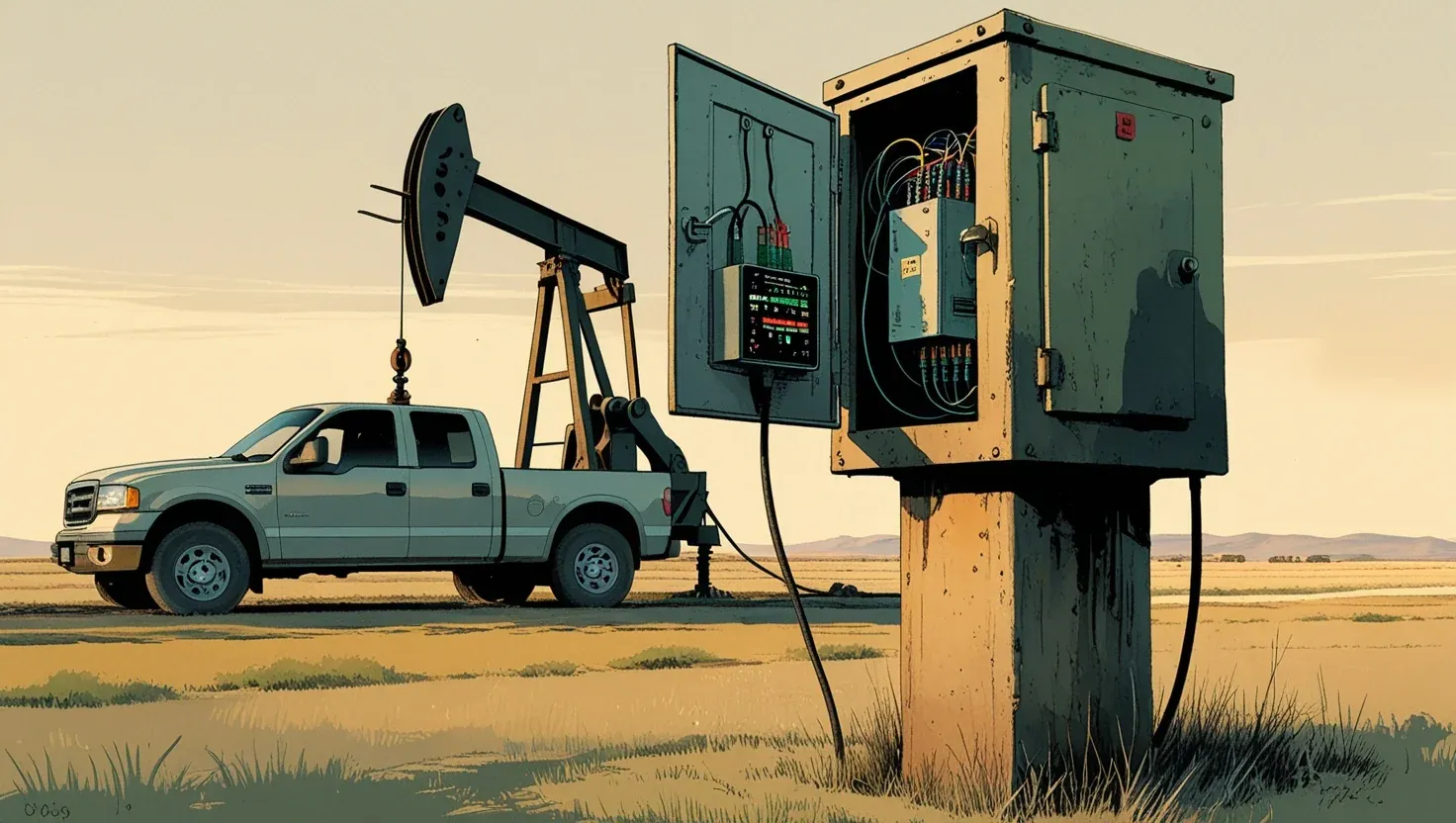
Rewriting a Legacy SCADA Platform with AI
Endurance Lift had acquired a decades-old SCADA product and new AI pump-controller technology. SEQTEK made them work together, then rebuilt the old software to run on Linux with a modern interface.

The People Who Write the Content Now Build the Product
How SEQTEK rebuilt product building from the ground up for a research client, turning a process that took months into one that takes less than a day.
More on building with AI
Brick for Stone: The Limits of Specifying Everything Up Front
Spec-driven development is genuinely useful. The trouble starts when a capable AI agent makes it easy to specify the wrong thing very efficiently.
The Skill Shift: What Enterprise Developers Need to Learn Now
Writing correct code from memory is losing value by the month. What is not automated is framing the right problem and bringing people along with you.
AIpocalypse, Just-in-Time
The AI doom discourse has detached from the experience of using the tools. The hype follows an exponential curve. Real workflows follow a linear one.
Honest answers
Is AI going to replace developers anyway? Why pay for engineers?
AI replaces typing, not judgment. It writes code fast, and by default it writes brittle code. Someone has to know which problem is real, which design will last, and when the work is actually done. That is what you are paying for. The AI is the inexpensive part now.
We tried AI tools and got a mess we could not maintain. Why is this different?
That is the usual result when the AI leads. CADENCE puts an experienced engineer in charge of every phase and holds each one to real design standards before it counts as done. You get the speed without the mess.
Can you write a detailed spec and just build it?
We can, but a perfect spec for the wrong problem is still the wrong problem. We start by understanding what you actually need, which is often different from the original request. Then we move fast, in phases you can see and test.
Does CADENCE depend on a particular AI tool?
No. The tools change constantly, and we use more than one. CADENCE is a way of working, so it holds up when a tool changes, a price changes or a service goes down.
Our organization restricts which AI tools vendors can use. Does that rule CADENCE out?
No. We work within your rules. The method does not depend on any one model or tool, so it runs inside the limits your organization sets.
Start with a Touchstone
Find out where you are and where you need to go. Then we build it with you, one working phase at a time.